
Agency warnings about old TVs are about broken glass and disposal, not a whole TV in your home. Tube (CRT) TVs have lead in the glass. Many LCD TVs made from the early 2000s to about 2014 have small lamps with mercury in them. Keep the TV in one piece and recycle it.
What's inside a TV that needs care
A few parts of a TV need care, and which ones depends on the type of TV.
| TV type | Material of concern | Where it is | When it matters | Source |
|---|---|---|---|---|
| Tube (CRT) TV | Lead, plus barium, cadmium and other heavy metals | The glass picture tube, mostly the funnel and neck at the back | When the tube breaks, or the TV is thrown away | EPA; Wisconsin DNR |
| LCD TV, early 2000s to about 2014 | Mercury | Small fluorescent lamps (CCFLs) that light the screen from behind | When a lamp breaks, or the TV is crushed or thrown away | Wisconsin DNR; IMERC |
| Plasma TV | Lead | The inner glass panel | When the panel is taken apart or thrown away | California DTSC |
| Rear projection TV | Coolant (ethylene glycol and glycerin) and 3 small picture tubes | Inside the large cabinet | When the TV is taken apart | Wisconsin DNR |
| TVs made before 1991 | Mercury | Some have mercury switches | When the TV is thrown away | EPA |
| Older TVs with treated plastic cases | PBDE flame retardants | The plastic cabinet | Can slowly reach household air and dust | ATSDR (CDC) |
| Any TV | Lead and other metals | Solder on the circuit boards | When the TV is thrown away or taken apart | Wisconsin DNR |
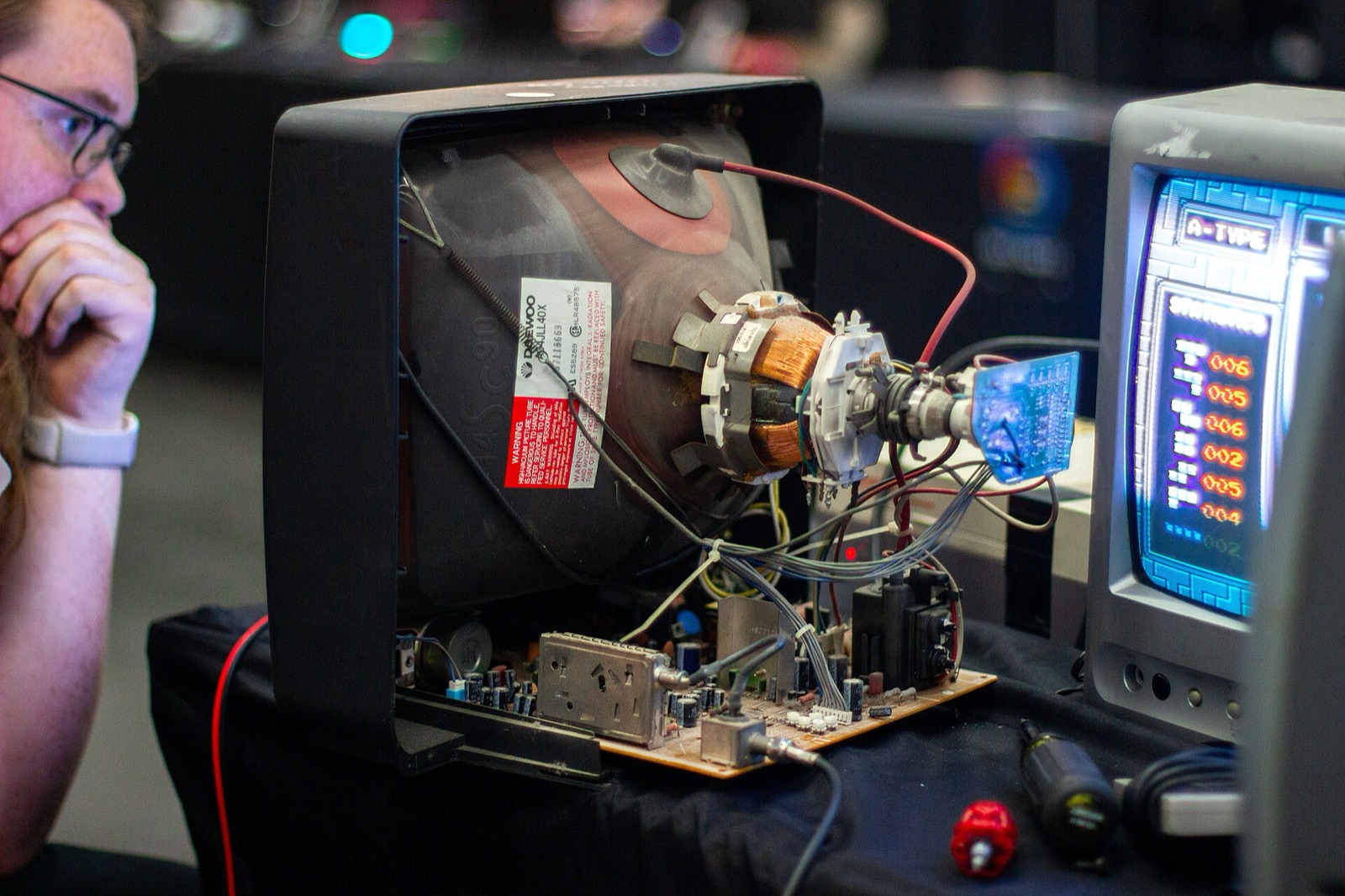
Tube (CRT) TVs have lead in the glass
A tube TV makes its picture with a cathode ray tube (CRT), a large glass vacuum tube. Wisconsin's Department of Natural Resources (DNR) says CRTs were the display in most TVs and monitors made before the mid-2000s. The tube is usually about 60% of the TV's weight.
The EPA says the lead is in the funnel glass, the cone-shaped back of the tube. Wisconsin's DNR says the front panel glass has very little lead. Its text puts the funnel and neck glass at 15% to 34% lead by weight. It puts the frit, a thin seal that joins the front and back glass, at about 70% to 85% lead. Its diagram labels the figures as lead oxide. It shows funnel 15% to 29%, neck 25% to 34%, front panel 0% to 3% and frit 70% to 85%.
Lead matters most when the glass breaks and makes dust or small pieces. The EPA says lead is toxic and no safe level has been found for children. It says most lead that causes harm is breathed in or swallowed. It says lead is especially dangerous to children 6 and younger.
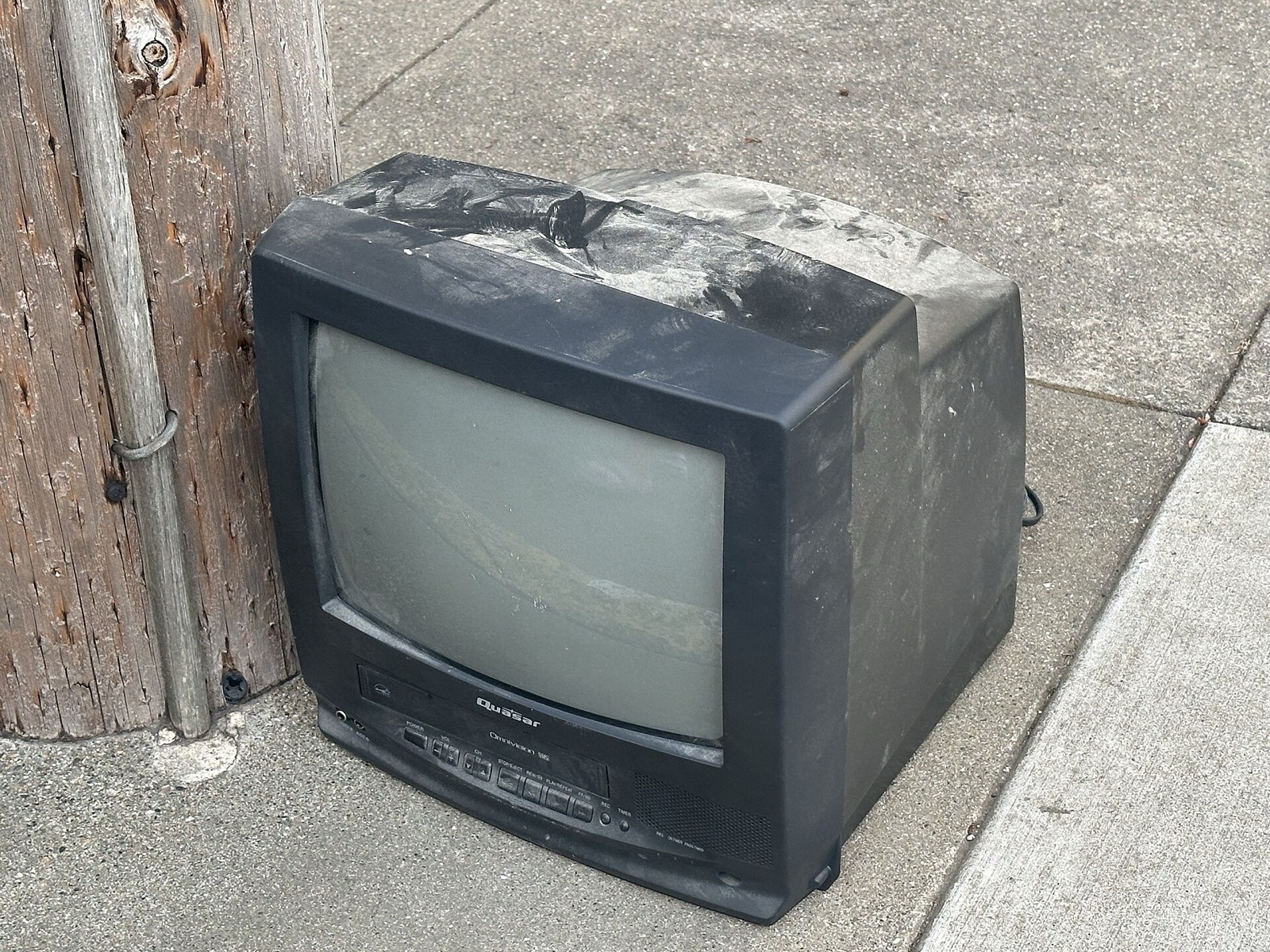

Many older LCD TVs have mercury in the backlight
Wisconsin's DNR says LCD screens made from the early 2000s through about 2014 were usually lit by CCFLs. A CCFL (cold cathode fluorescent lamp) is a thin tube with mercury in it. The DNR adds that you often can't tell an LCD from an LED screen without taking it apart.
A 2015 fact sheet from the Interstate Mercury Education and Reduction Clearinghouse (IMERC) says CCFLs light LCD screens in flat screen TVs and other equipment. It says LED lamps contain no mercury, and many makers have switched to them. It also says mercury in a lamp poses no health risk while the lamp is in use and intact.
The EPA says mercury is used in LCD screens and monitors. It also says TVs made before 1991 may have mercury switches. It says these products should go to a household hazardous waste collection site. Newer LED-lit TVs are not free of concern. Wisconsin's DNR says LEDs may contain heavy metals such as lead or arsenic.
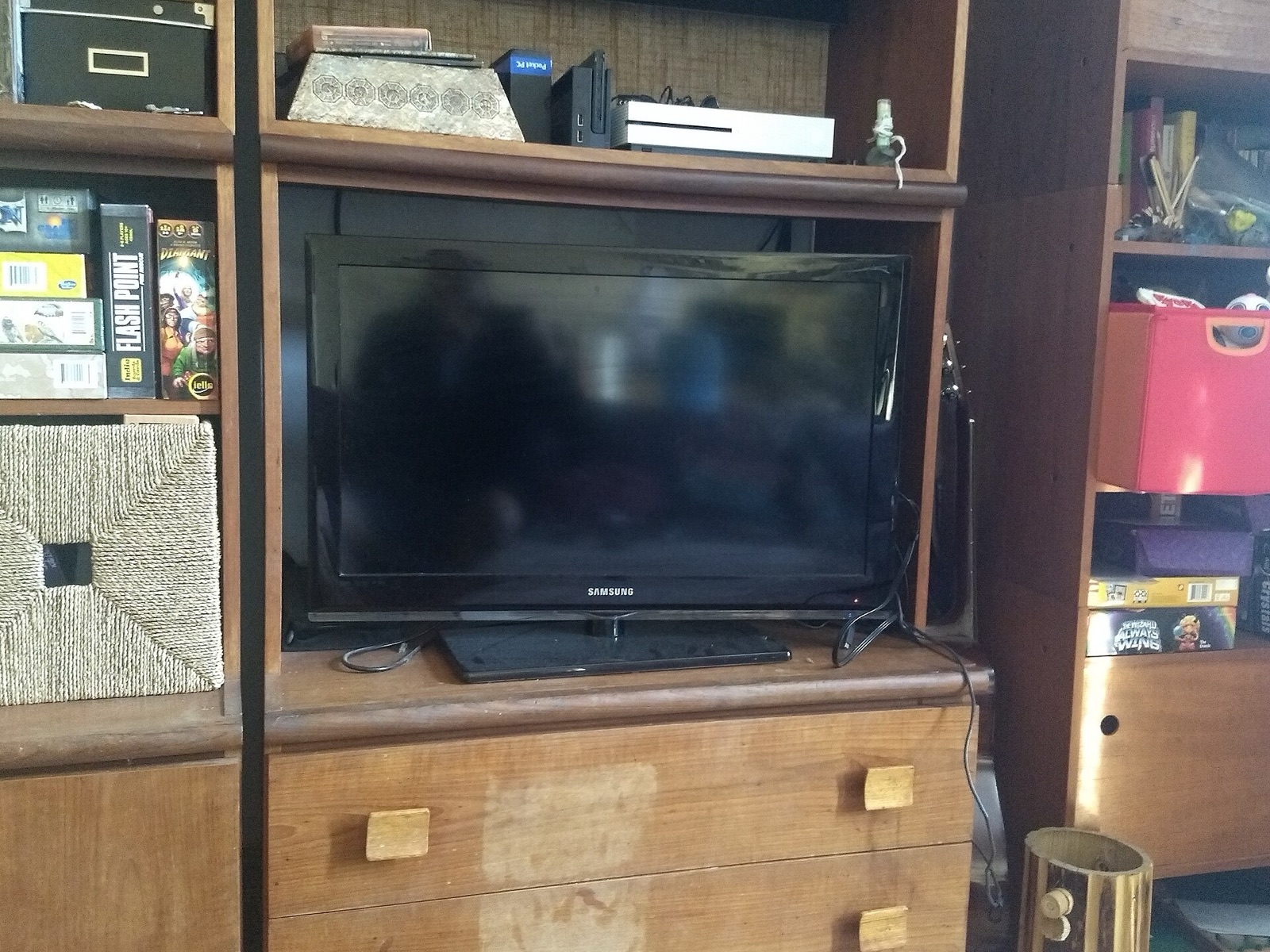

Plasma TVs have lead in the inner glass panel
California's Department of Toxic Substances Control (DTSC) evaluated plasma screen glass. It found that the inner glass panel counts as hazardous waste under California rules because of its lead.
That finding is aimed at recyclers that take plasma TVs apart. DTSC says it knows of no way to recycle plasma panel glass at this time. For you, the plasma TV is like any other TV: keep it whole and take it to an electronics recycler.
Flame retardants and other materials
Some older TV cases were treated with PBDEs, a group of flame-retardant chemicals. The Agency for Toxic Substances and Disease Registry (ATSDR), part of the CDC, says decaBDE was mainly used in electronic cases such as TV cabinets.
ATSDR says treated TVs can keep releasing PBDEs into the air over time. Most people take them in by swallowing household dust. It says there is no definite information on health effects in people. Some studies suggest a link to changes in brain development. U.S. manufacture and import of PBDEs ended by the end of 2013.
Other parts need care at the recycler. Wisconsin's DNR says circuit boards may contain lead solder, beryllium or other heavy metals. It also says rear projection TVs hold a coolant (ethylene glycol and glycerin) that must be handled like used oil.
Agency warnings are about broken TVs and disposal, not whole ones
No agency we found says outright that a whole TV is safe at home. But the agency guidance we found on lead and mercury in TVs is about broken glass, dust and disposal. The lead in a tube TV is part of the glass. The IMERC fact sheet says mercury in a lamp poses no health risk while the lamp is in use and intact.
The one ongoing exposure is flame retardants in dust from some older plastic cases. ATSDR says replacing older products with newer ones without PBDEs may lower exposure at home. It also says regular hand washing may lower the amount you take in from dust.
Don't open the back or try to take the tube out. Oregon's Department of Environmental Quality (DEQ) warns against removing any part of the tube from the cabinet. Keep the TV in one piece when you move it.
What to do if a tube TV cracks
Oregon DEQ wrote these steps for collection sites that handle broken tubes, not for homes. They are the most detailed agency steps we found for broken tube glass.
- Leave the tube in the cabinet. Don't try to pull out the glass.
- Put on safety glasses, heavy work gloves, a long-sleeved shirt, long pants and closed-toe shoes.
- Mist the broken glass with water before you start. Keep it damp the whole time.
- Scoop the pieces carefully into a container. Pick up small pieces with duct tape.
- Put the TV and all the glass in double plastic bags, then in a sturdy box. Tape the box shut.
- Label the box "Broken Cathode Ray Tubes" with the date you sealed it.
- Wet-mop the area so lead and cadmium particles don't get into the air.
- Call your electronics recycler to ask if it will take the broken TV.
What to do if an LCD screen or backlight breaks
We found no agency steps written for a broken LCD TV. If the thin mercury lamps inside the TV broke, some mercury may have escaped as vapor.
The closest official guidance is the EPA's page on cleaning up a broken bulb. Its list of covered bulbs includes cold-cathode fluorescent bulbs, the lamp type in older LCD TVs. The page doesn't mention TVs. The EPA says a broken bulb may release some of its mercury as vapor. Its steps:
- Have people and pets leave the room.
- Air out the room for 5 to 10 minutes. Open a window or a door to the outside.
- Turn off central heating or air conditioning, if you have it.
- Don't vacuum, unless glass is left after all the other steps.
- Scoop up glass and powder with stiff paper or cardboard. Use sticky tape for small pieces, then a damp paper towel.
- Put the debris in a glass jar with a metal lid or a sealable plastic bag.
- Put the debris outside in a trash container right away. Ask your local government about disposal rules.
- Wash your hands with soap and water.
- Keep airing the room. Leave the heating or air conditioning off for several hours.
Why many states ban TVs from the trash
The EPA says toxic wastes may leach out and pollute groundwater. It measures this with a lab test called the Toxicity Characteristic Leaching Procedure. Because of the lead in the funnel glass, the EPA treats CRTs sent for disposal as hazardous waste. Tube TVs from households are exempt from those federal rules, as the next section explains.
States go further. CalRecycle lists TVs among the items banned from the trash in California, because electronic devices often have hazardous waste. Fifteen states and DC ban TVs in general from the trash or from landfills. Minnesota, Maine and Massachusetts ban tube TVs in particular. Iowa bans businesses from putting tube TVs in a landfill. Massachusetts also bans throwing away products with mercury added, with a few exceptions.
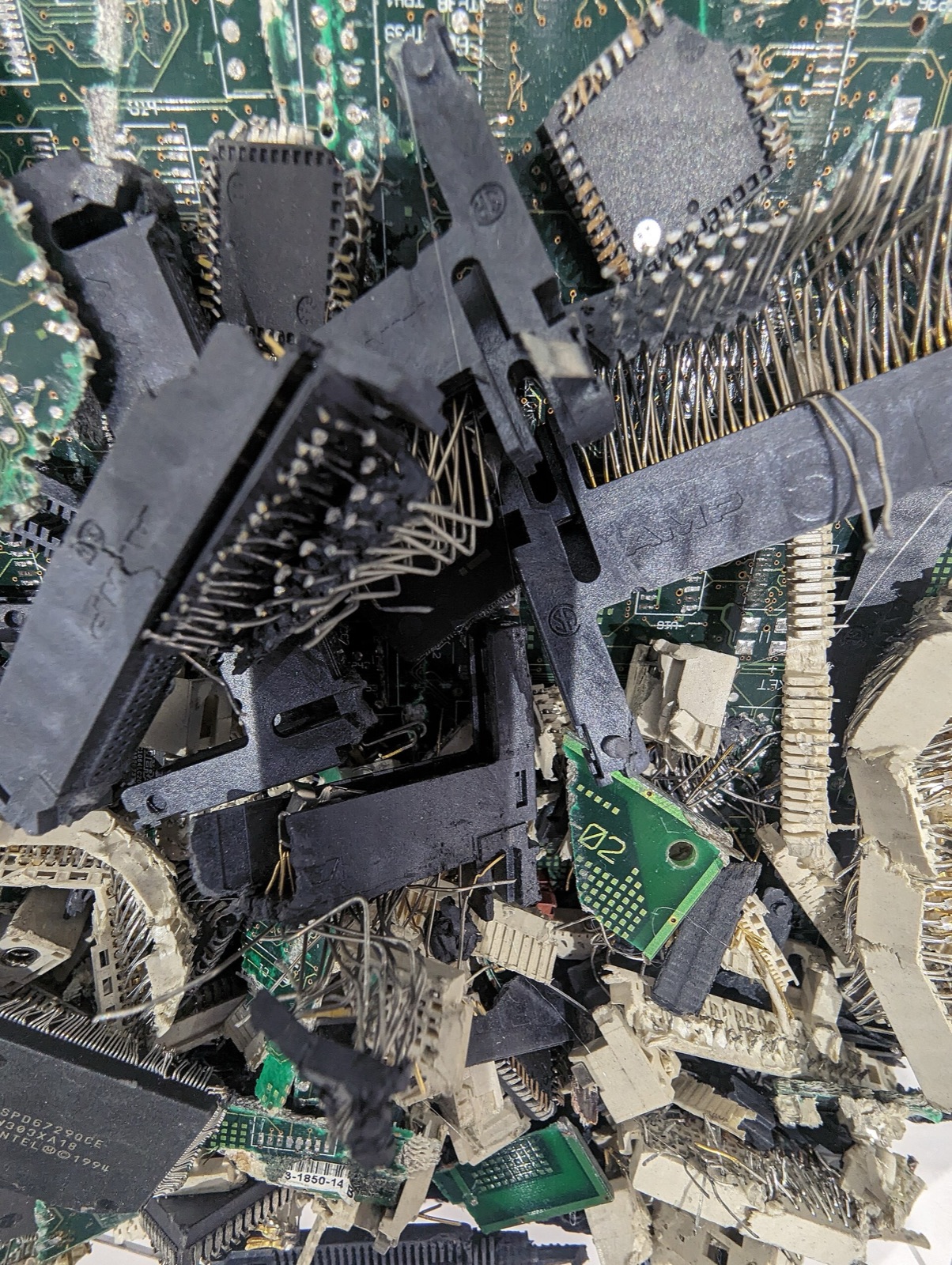

Federal rules treat household TVs and business TVs differently
Household TVs: Federal rules say household waste is not hazardous waste (40 CFR 261.4(b)(1)). The EPA says tube TVs thrown out by households are household hazardous waste, but exempt from federal hazardous waste rules. The EPA says household hazardous waste is still regulated as solid waste. States and local governments regulate it, and state rules can be stricter.
Business TVs: Businesses, schools and other non-households fall under the hazardous waste rules. A tube TV sent for disposal is hazardous waste. A used, whole tube sent for recycling is not solid waste (40 CFR 261.4(a)(22)). That changes if it is thrown away or a collector stores it too long. Broken tubes sent for recycling must meet extra conditions, such as storage in a building or a container.
The EPA calls a business that makes less than 100 kilograms (220 pounds) of hazardous waste a month a very small quantity generator. These businesses have fewer requirements. Wisconsin's DNR says non-households must check whether their old electronics are hazardous waste.
Checklist
- Keep the TV whole until it leaves your home.
- Don't open the back or take out the tube or lamps.
- If the glass breaks, keep children and pets away and follow the cleanup steps.
- Check whether your state bans TVs from the trash.
- Take the TV to an electronics recycler or a state program site.
- If the TV belongs to a business, check your state's hazardous waste rules first.
Common questions
Do old TVs have lead in them?
Tube (CRT) TVs do. The EPA says the lead is in the funnel glass at the back of the tube. Wisconsin's DNR says the funnel and neck glass is 15% to 34% lead by weight. We found no agency figure for the total pounds of lead in a TV. Plasma TVs also have lead in the inner glass panel, according to California's DTSC.
Do flat screen TVs have mercury?
Many older ones do. Wisconsin's DNR says LCD screens made from the early 2000s through about 2014 were usually lit by small mercury lamps. Newer LED-lit TVs don't use mercury lamps. You often can't tell which kind you have without taking it apart.
Is it safe to keep an old tube TV in my house?
We found no agency warning about a whole tube TV in a home. The lead is part of the glass, and the agency guidance we found is about broken glass and disposal. Don't open the back, and keep it in one piece when you move it.
Can a broken TV make you sick?
Broken tube glass can spread lead dust, and a broken backlight lamp can release mercury vapor. The EPA says lead harms people mostly when breathed in or swallowed. Clean up with the steps on this page and keep children away.
Is a TV considered hazardous waste?
Not for households under federal rules. The EPA calls household tube TVs household hazardous waste but exempts them from federal hazardous waste rules. Many states still ban TVs from the trash. For businesses, a tube TV sent for disposal is hazardous waste. Very small businesses have fewer requirements.
Why can't I put a TV in the trash?
In many states it's against the law. Fifteen states and DC ban TVs from the trash or landfills, and 3 more ban tube TVs. The EPA says toxic wastes can leach out of waste and pollute groundwater.
Sources
Checked November 25, 2026. Your local drop-off site’s rules come first.
EPA: Cathode ray tubes (CRTs) ↗EPA: Frequent questions about regulation of used CRTs and CRT glass ↗40 CFR 261.4: Exclusions (Cornell Legal Information Institute copy) ↗EPA: Household hazardous waste (HHW) ↗EPA: Defining hazardous waste (toxicity characteristic) ↗EPA: Mercury in consumer products ↗EPA: Cleaning up a broken CFL ↗EPA: Learn about lead ↗IMERC fact sheet: Mercury use in lighting (2015, hosted by EPA) ↗Wisconsin DNR: Managing used electronics and components (PUB-WA-1307, 2024) ↗Oregon DEQ: Collector's guide to handling cathode ray tubes (CRTs), fact sheet (PDF) ↗California DTSC: What to do with plasma TV glass after dismantling ↗ATSDR (CDC): ToxFAQs for polybrominated diphenyl ethers (PBDEs) ↗CalRecycle: Waste banned from the trash ↗310 CMR 76.04: Massachusetts mercury-added product disposal (Cornell Legal Information Institute copy) ↗How we research →