THE LOCAL ANSWERDrive the TV to any Baltimore City Residential Recycling Center, such as Sisson Street or Bowley’s Lane, with a valid ID. DPW says the centers are free for city residents.
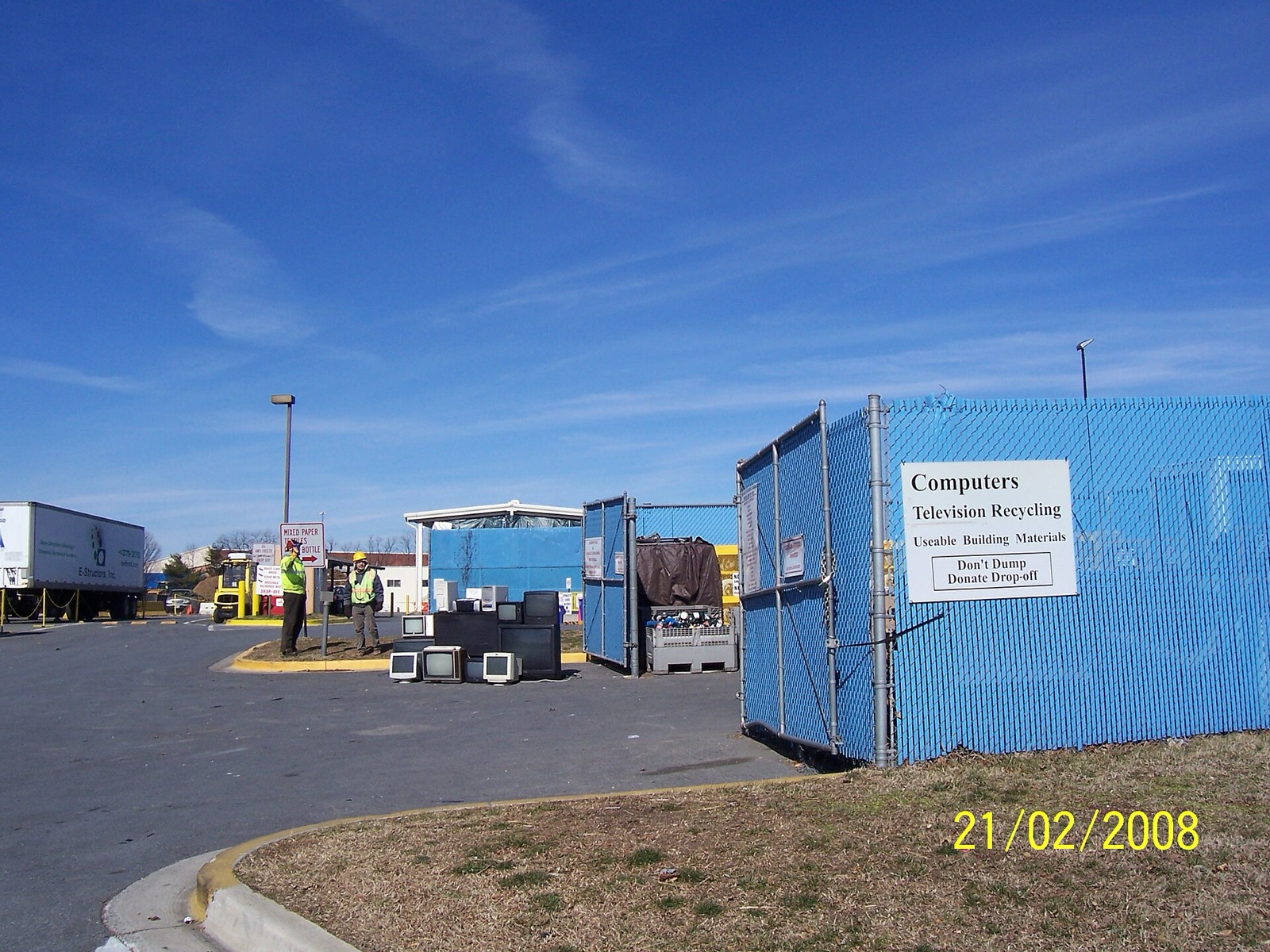
Baltimore City takes TVs for free at its five Residential Recycling Centers. DPW says all five accept electronics, and its electronics page lists televisions by name. Bring a valid ID, because the centers are for city residents only. The city’s bulk trash page doesn’t mention TVs, so drop yours off at a center.
All five Baltimore drop-off centers take electronics
DPW renamed its Citizen Convenience Drop-Off Centers as Residential Recycling Centers in late 2024. It says all five take electronics, textiles and scrap metal. Sisson Street, Bowley’s Lane and Northwest open Monday to Saturday. Quarantine Road closes at 3:30 p.m.
Reedbird is open Saturdays only for now
The Western Residential Recycling Center on Reedbird Ave. is open only Saturday, 9am to 5pm. DPW says it’s on a limited schedule during its Facility Modernization Project. On weekdays, use another center.
Bulk trash pickup in Baltimore is for furniture and appliances
City bulk pickup takes furniture, mattresses, appliances and up to 4 tires with rims removed. You can set out 3 items a month. The bulk page doesn’t mention TVs. DPW’s electronics page sends you to its drop-off centers instead. Call 311 if you aren’t sure.
Use a car, van or small pickup at the centers
DPW only allows passenger cars, unmodified vans or minivans, and unmodified pickups up to 3/4 ton. You can bring 2 loads a day and 5 loads a week. Stay with your vehicle while you unload.
Maryland doesn’t ban TVs from the trash statewide
Maryland’s law makes TV makers register and pay fees. We found no statewide ban on TVs in landfills. Baltimore still asks you to recycle TVs through its eCycling program. DPW says recycling keeps harmful stuff out of the environment.
Maryland law
Maryland law requires TV and computer makers to register with MDE every year and pay a fee (Environment Article §§ 9-1727 to 9-1730). A maker that ran a free take-back program the year before pays $500 instead of $5,000. Makers aren’t required to run one. We found no statewide ban on putting TVs in the trash.